
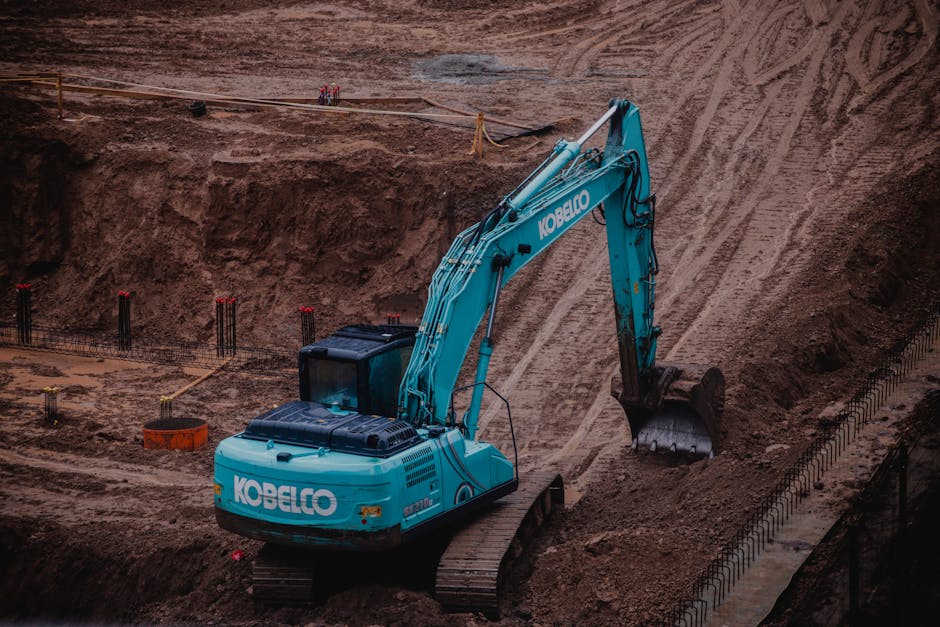
Here’s a hard truth I’ve seen on jobs in Vilnius: the fastest way to lose money on excavation work isn’t bad weather. It’s missing gear and slow reporting. One day you’re fine; the next, you’re missing a fuel cap, a cable spool, or tools you swear were inside the container.
Construction Site Security Checklist for excavation & Bobcat work in Vilnius (50 km radius) means more than “lock it up.” It’s a system: clear zones, daily checks, tool control, site photos, and smart alerts—so small issues don’t turn into big losses.
Quick answer: What to check every day on an excavation & Bobcat site in Vilnius
If you only do one thing, make daily security checks part of your work rhythm, not an extra task. I recommend a 20-minute end-of-shift walk, then a 5-minute log update. This catches theft and safety problems before the night crew or next contractor arrives.
At minimum, your daily checklist should cover perimeter, access points, equipment parking, fuel control, tool staging, lighting, and a short “what changed today” note. For excavation & Bobcat work, the biggest losses usually come from small, portable parts and “left out for convenience” tools.
Define your site “zones” before the first bucket goes in
Good security starts with clear space rules. When people understand where materials go and where the public can’t enter, you reduce accidents and stop casual theft.
I like to split the job into 4 zones and mark them with simple signs:
- Zone 1 – Public border: outside the work fence, visible from the street. Keep it clean and free of stored items.
- Zone 2 – Material staging: pipes, rebar cages, pallets, and concrete bags. This is where theft targets “easy to carry” items.
- Zone 3 – Equipment and fueling: excavators, Bobcat skid-steers, generators, compressors. Fuel goes here with tight control.
- Zone 4 – Work front: active excavation area with moving machines. Only workers with a role there.
What most people get wrong: they set the fence, but not the traffic plan. If trucks park “where it’s convenient,” you end up with blocked gates and weak angles for cameras.
Also, in Vilnius weather, ground gets muddy fast. If you can’t see footprints, it’s harder to track who entered. Add a quick “ground check” in rainy seasons: look for fresh tracks near gates and equipment rows.
Excavation & Bobcat equipment security: parking, immobilizing, and access control
Equipment security is mostly about position and access. A Bobcat or excavator parked the wrong way is an invitation to tamper, vandalism, and “small part” losses.
Use these practical steps for excavation & Bobcat work in a 50 km radius around Vilnius:
- Park facing a camera angle. If your camera covers one side more than the other, park so the key area and cab are visible.
- Keep a “no-fork” rule for the night. Don’t leave forks, attachments, or buckets stacked where someone can grab them.
- Use physical locks. For skid-steers, lock the access points that stop operation. For attachments, use cable locks or chain locks through solid parts.
- Do a quick “engine and cab” check. Keys must never stay in the machine. If you keep a key in a tool cabinet, the cabinet must be locked.
- Cover what’s easy to remove. Some contractors cover hoses and quick-coupler areas with simple protective covers. It reduces tampering and keeps dust from damaging seals.
Here’s an approach that works on real sites: create a “machine parking strip” and paint a line or use cones. Every machine goes into that strip at the end of the day. If someone parks outside the strip at 20:30, you notice.
Fuel theft also shows up fast. Keep fuel in sealed containers when possible and use a log: tank level at shift start, tank level at shift end, and who refueled.
Fuel, tools, and small parts: the checklist that prevents most losses
Small items are the real problem. People take things they can carry quickly: cables, batteries, hydraulic fittings, and tool kits.
In my experience, the fastest way to stop this is to treat tools like inventory, not “someone will bring it back.”
Tool control system (works even for small excavation teams)
Set up a simple tool control routine. It doesn’t need fancy software to work.
- Color-code storage areas: one bin for cutting tools, one for hand tools, one for measuring gear.
- Daily count: list the top 15 tools that disappear most often (or that cost the most). Count them at start and end.
- Assign responsibility: one person per shift owns the log. If you rotate ownership, write the handover time.
- Tag with simple labels: tape labels with job name and date. Theft attempts fail faster when items look “tracked.”
- Store batteries in locked charging boxes: batteries get stolen because they can be used elsewhere immediately.
Fuel log example (copy this format)
| Time | Machine/Container | Starting level | Refueled (L) | Ending level | Worker name | Notes |
|---|---|---|---|---|---|---|
| 06:45 | Bobcat S series | Full (checked) | 0 | Full | Jonas | — |
| 12:10 | Generator tank | 1/2 | 30 | Full-ish | Rasa | Sealed cap used |
You’d be surprised how far this goes. When an inspector asks “what happened to the fuel,” you already have the story.
Lighting, fencing, and gates: stop easy entry points
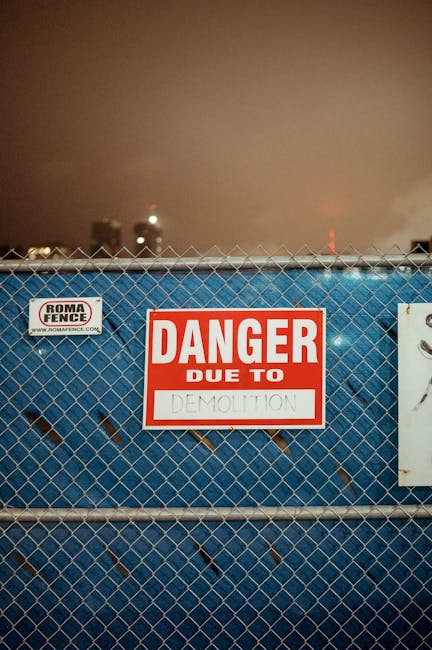
Lighting and fence quality are not decoration. They decide whether cameras can actually identify faces and whether a thief feels seen.
For Vilnius jobs near residential areas or quiet roads, I recommend you check these points after dark:
- Gate visibility: Can you see the gate latch clearly on video?
- Shadow zones: Walk the perimeter with your phone flashlight. If you find a dark corner, add a light.
- Fencing gaps: Check at ground level. Frost and mud move fence panels.
- Wheel access: If someone can roll in on a bicycle with a small trailer, assume it’s possible.
- Padlock and chain: Use a heavy-duty lock and a chain through a solid anchor point.
What I don’t recommend: leaving a “spare key” in a plastic box near the gate. It’s a common mistake. It saves 2 minutes for the team, but it kills your security in one night.
Camera and alarms: practical setup for excavation sites (not just “install a camera”)
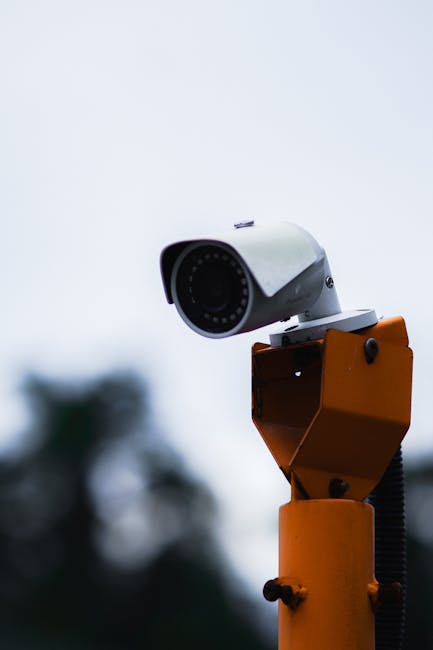
A camera without good placement is like a lock without a door. It records, but it doesn’t stop anything.
As of 2026, the most effective setups on construction sites combine video coverage with clear rules for response. A “motion detected” notification is only useful if you know who checks it and what they do next.
Where to place cameras so they actually help
Place cameras to cover the most likely theft paths:
- Camera 1: gate and fence entry area
- Camera 2: equipment parking strip (Bobcat cab area + attachments)
- Camera 3: material staging (pipes, cable spools, pallets)
- Optional: fuel station area (if separate)
Tip: mount cameras where they’re not easy to hit with a thrown stone. On sites with active movement, equipment can also bump mounts—check mounting bolts weekly.
Video storage and logs (simple but important)
Record settings matter. Ask for a system that stores footage long enough for investigations. If you’re working weekends, store at least 7–14 days of footage.
Also, write down your viewing rules: who has access, where footage is saved, and how long logs are kept. This ties into your broader security culture and also connects to cyber hygiene—because camera systems are still computers.
People Also Ask: “Is construction security the same as cybersecurity?”
No. Physical security and cybersecurity are different. But they are connected, because modern sites use connected cameras, apps, and sometimes cloud logins.
On excavation and Bobcat work, a person who steals a controller or grabs login details can disable alerts or erase footage. That’s why basic cybersecurity matters even when your site is “just machines.”
If your blog has cybersecurity articles, you can link readers to your posts on secure access habits and threat thinking, since the logic is similar: protect access, keep logs, and respond fast.
People Also Ask: “What’s the fastest way to reduce theft on an excavation site?”
The fastest reduction usually comes from changing how items are staged, not buying new gear. If tools and parts are visible and easy to carry, theft stays “easy.”
My recommended fastest steps for Vilnius-area sites:
- Move small valuables into locked containers every day.
- Switch to a “count + log” habit for the top 15 tools.
- Park Bobcats and excavators in one consistent strip facing cameras.
- Improve lighting at gates and material staging.
After that, add alarms if your budget allows. But don’t buy alarms before you fix staging—alarms alone don’t stop a thief from walking out with a cable if no one can see it.
People Also Ask: “Do I need a security guard for small Vilnius projects?”
You don’t always need a guard, but you do need a clear coverage plan. For small projects, a guard can be expensive, so teams often rely on lighting, cameras, and strict daily shutdown rules.
Here’s how I decide: if the job stores high-value gear overnight (tools, batteries, cables, or multiple attachments), add coverage. If the job is empty at night except for one machine and you use strong physical locks plus cameras, you might manage without a guard.
Even then, you need a “check-in” schedule. A phone call every hour from a supervisor is not enough. You need real checks, like a recorded perimeter walk or camera alert review.
Step-by-step: a full Construction Site Security Checklist for Vilnius excavation & Bobcat work
Below is a checklist you can print. It’s written for excavation, Bobcat skid-steer work, and mixed contractor sites in Vilnius and within a 50 km radius.
Before work starts (morning checklist, 10–15 minutes)
- Confirm gate keys are controlled and issued (names + time).
- Check camera system time and motion zones.
- Inspect lighting around the gate, material staging, and equipment strip.
- Verify fences are intact, especially after rain or frost.
- Confirm fuel containers are sealed and logged.
- Count the top 15 tools (or whatever your top list is) and record it.
- Photograph equipment parking strip and any “before” storage areas.
During shifts (quick checks every 2–3 hours)
- Keep attachments and buckets secured or staged properly.
- Don’t leave portable tools in open areas “for later.”
- Check hoses and quick couplers for signs of tampering.
- Monitor gate access. Trucks should enter/exit through the same points.
- Update the work log when layout changes (new storage area, new fence opening).
End of shift (night shutdown checklist, 20 minutes)
- Park each Bobcat/excavator in the same equipment strip location.
- Remove keys and store them in locked control.
- Lock attachments and cover/secure hydraulic lines where needed.
- Move tools into locked containers and do a full top-15 count.
- Lock fuel area and record final tank levels.
- Do a perimeter walk: gates, fence line, material staging, and any dark spots.
- Take 3–6 end-of-day photos: gate, equipment strip, tool storage, and staging.
- Write a short note: what changed, what was moved, any issues seen.
After incidents (what to do if you spot something off)
- Stop work and secure the area first. Safety comes before video.
- Save relevant camera footage immediately. Don’t wait for “tomorrow.”
- Write down the timeline: when you last saw it intact and who was present.
- Notify the site manager and document injuries or damage.
- If theft is likely, keep tools and locks untouched for possible evidence handling.
That last part matters. If you wipe fingerprints off a broken lock or move evidence, you make investigations harder.
What I’d add in 2026: treat your site like a “connected system”
Even if you don’t think about IT, your cameras and access apps are still computer systems. In plain terms: if someone can log in or disable alerts, your physical security loses power.
I recommend simple cyber hygiene for camera and alarm setups:
- Use unique passwords for each device, not “admin/admin.”
- Turn on multi-factor login if the system offers it.
- Keep the admin account list short. If everyone has access, nobody protects it.
- Update firmware as updates are released. Outdated systems get weaker over time.
- Limit remote access to what you need and log when someone connects.
If your site already has connected security and you want more guidance, you can also match the habits from your blog’s Tutorials & How-To and Threat Intelligence content. The mindset is the same: reduce access, track events, and respond fast.
Using Bobcat rental the right way can improve security too
Security isn’t only locks and cameras. It’s also how you plan equipment and work delivery. When you work with a reliable operator or rental provider, your machines arrive with known setup habits and proper shutdown routines.
If you’re hiring excavation and Bobcat work around Vilnius, consider working with a provider that operates inside the local area and understands how jobs look in practice. For example, www.bobcatnuoma.eu positions its services around Vilnius and a 50 km radius, with modern Bobcat equipment for earthmoving and infrastructure tasks. That kind of local fit helps with consistent daily routines, faster support if a machine issue hits, and clearer expectations about how equipment is handled on site.
One more thing I appreciate from real contractors: they don’t just deliver the machine—they also advise on how to stage work and keep the site organized. That organization is security. It reduces “where is that attachment?” moments, and those moments create openings for theft.
Cost vs. risk: a simple way to choose the right security level
Security costs money. But theft and vandalism cost more when you factor in downtime and replacement parts. The trick is picking the right mix for your project size.
Here’s a simple comparison table you can use when planning your budget. Numbers vary by site, but the logic holds for excavation and Bobcat work in 2026.
| Security layer | What it protects | Good for | Typical downside |
|---|---|---|---|
| Daily checklist + tool counts | Small part theft, “missing tools” | Most jobs, especially short schedules | Requires discipline |
| Lighting + camera placement | Gate access, tracking entry attempts | Sites near roads or homes | Needs setup and testing |
| Physical locks + immobilizing | Machine tampering | Bobcat/excavator overnight | More handling time |
| Guard or mobile patrol | Active deterrence | High-value storage, long overnight gaps | Higher cost |
My opinion: if you skip the daily checklist, cameras won’t save you. You’ll just have better proof after the loss. The best results come from pairing strict daily routines with visible deterrence.
Internal links you can use for the rest of your security planning
If you manage security across different areas (site and digital), you’ll probably find these topics useful. For example, readers who liked this “checklist” style often also want a similar system for online access. You can reference your own cybersecurity work and connect it to the same habits: control access, log events, and reduce weak points.
On your site, link readers to posts like Tutorials & How-To about secure access and event logging, and to Threat Intelligence pieces that explain what attackers look for. If you also have vulnerability coverage, tie it back to “keep your cameras updated” and similar device practices.
Those internal links help you build topic authority around both physical and digital security. That’s a strong whitehat angle and it matches real-world jobsite work in 2026.
Conclusion: one checklist, one habit, fewer losses on Vilnius excavation sites
A Construction Site Security Checklist for excavation & Bobcat work in Vilnius (50 km radius) works when it becomes a daily habit. If you do the morning setup, end-of-shift shutdown, and a quick mid-shift check, you stop small problems from turning into missing equipment and messy investigations.
My clear takeaway: pick 15 tools to track, park every machine in the same camera-covered strip, lock fuel and keys every night, and take end-of-day photos. Do that consistently and your jobsite security gets better fast—without waiting for “a perfect system” that never comes.
Featured image alt text suggestion: Construction site security checklist for excavation and Bobcat work in Vilnius with fenced perimeter, cameras, and parked machines.